







Search Results for: grinder model
Unboxing and Hands-On Test of Ten Popular Coffee Machine and Grinder Building Block Sets: From Rocket R58 to EK43 Assembly Experience and Brand Review
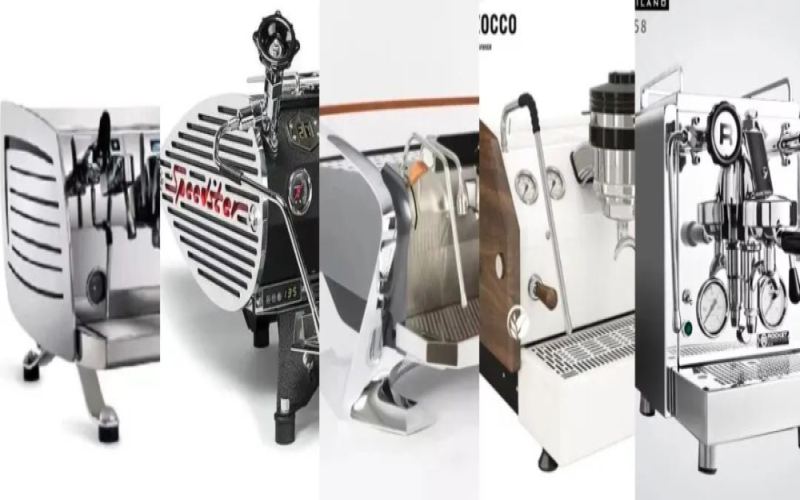
Coffee enthusiasts' passion for peripheral products is never limited to beans and equipment. This time, we got our hands on ten popular coffee machine and grinder building block models available on the market all at once, covering five series: Late Autumn in Sicily, Midsummer Green, Roman Holiday, Twilight Venice, and Early Spring in Milan, and it took us a week to complete the assembly. From basic models to patience-testing ones, the number of pieces, color schemes, and fidelity to the original machines vary. The article will introduce one by one the real coffee equipment parameters corresponding to each building block set, including Rocket R58, EK43, Slayer Steam EP, Mythos One, La Marzocco GS3, Ultra, Victoria Arduino VA388, LWW EG-1, Kees Speedster, and Mazzer Super Jolly, while also sharing the actual performance of domestic building blocks in terms of fit and structural support. If you also like coffee peripherals, why not take a look at these interesting little items together. [more…]
A Comparative Test of Six Popular Manual Coffee Grinders: Pros, Cons, and a 2022 Pour-Over Buying Guide
Hand grinders have become the top choice for many coffee enthusiasts getting started, thanks to their portability, affordable price, and the sense of involvement they bring during brewing. But with so many models on the market, how do you choose? This article tests six popular hand grinders—including the Hario Skerton, Mini Mill, Acrylic, and Canister, as well as the OE Lido 2 and Porlex JP-30—analyzing each one in terms of practicality, design, and grinding performance. The article also mentions related recommendations from the Front Street Coffee brand and compares the trade-offs with electric grinders. Whether you're carrying one for travel or upgrading your home setup, you'll be able to find an option that suits you. [more…]
A Complete Analysis of Mahlkönig EK43 Models: Differences from Ditting Horizontal Burrs and Grinding Performance Comparison
As the "legendary machine" in the specialty coffee world, the Mahlkonig EK43 has long since risen from a single-origin grinder to a standard fixture in espresso cafés, thanks to its outstanding grind uniformity and extraction performance. From early experiments at Café Myriade in Montreal in 2009 to Matt Perger's endorsement on the world competition stage in 2013, the EK43 was gradually elevated to iconic status. Meanwhile, Ditting, another "high-end grinder," is often compared with the EK43, with each having its own strengths in burr layout and flavor profile. This article reviews the grind settings and structural differences among the EK43 series versions (EK43S, EK43T, EK43, EKK43), traces its rise to fame, and compares the design features of Ditting's horizontal flat burrs. Combined with Matt Perger's particle experiment data, it analyzes why the EK43 can achieve more uniform extraction. Front Street Coffee will also share related product recommendations in this article. [more…]
How to Choose Between Manual and Electric Coffee Grinders? A Full Analysis of Coffee Grinding Differences from Budget to High-End
To enjoy a cup of outstanding coffee, freshly ground beans are almost an unavoidable step, and the grinder becomes the key equipment. Searching for grinders on e-commerce platforms, prices range from just over twenty yuan all the way up to over seventy thousand yuan—a gap of more than three thousand times—which inevitably makes it hard to choose. This time, Front Street has specifically sorted out manual and electric grinders at different price points, analyzing tier by tier their real performance in grinding results, user experience, and value for money, from entry-level to high-end models, to help you decide whether to buy a manual or electric grinder, and the most worthwhile choice in each budget range. [more…]
Coffee Grinder Buying Guide: How to Choose Between Flat Burrs, Conical Burrs, and Ghost Teeth, Plus a Full Analysis of Common Models' Grind Settings and Extraction
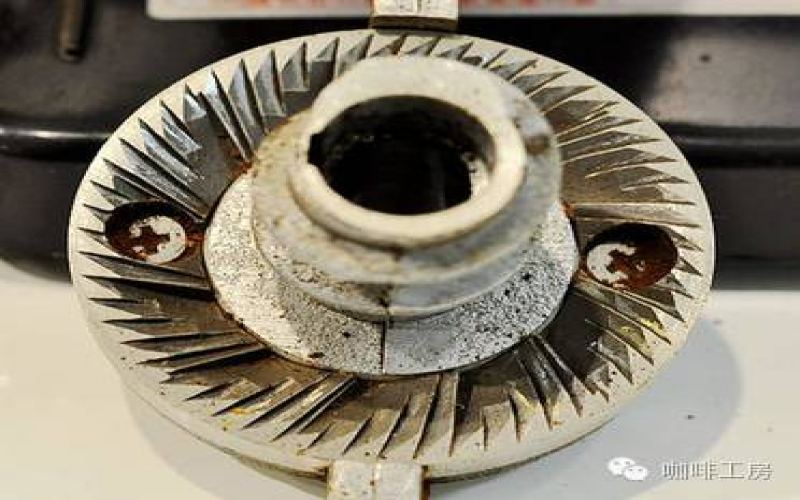
Faced with the dazzling array of coffee grinders on the market, many coffee enthusiasts find themselves paralyzed by choice. In truth, the coffee world has never had a single standard—different burr sets each have their strengths and weaknesses. Starting from burr types, this article takes a deep dive into the structural differences between flat burrs, conical burrs, and ghost-tooth burrs, along with their real-world impact on particle shape, extraction results, and final flavor. It also includes practical grind-setting parameters for commonly used models such as the Fuji Royal, Feiying, and Zheng Huang Hang, helping you find a grinding approach that suits your brewing method and taste preferences. [more…]
A Practical Guide to Using a Manual Coffee Grinder: A Full Breakdown of Burr Structure, Grind Setting Adjustment, and Daily Maintenance
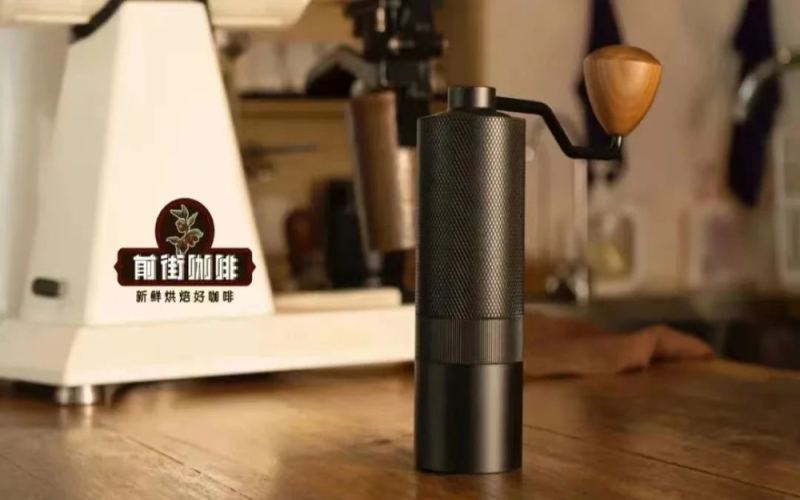
Manual coffee grinders are a go-to piece of gear for many pour-over enthusiasts, serving both everyday home use and, when paired with a French press, AeroPress, or moka pot, forming a portable outdoor kit. Grinders from different brands and models vary noticeably in price and the quality of the ground coffee they produce. From the perspective of Front Street, this article systematically breaks down the core components of a manual grinder—the burr, the adjustment dial, the handle, the bean hopper, and the grounds bin—and explains how to adjust the grind setting according to your brewing method, how to turn the handle correctly, and the key points of cleaning and regular maintenance, helping you use your manual grinder more smoothly and making every cup's extraction more consistent. [more…]
Hand Grinder User Guide: Burr Structure, Adjustment Settings, and Key Points for Controlling Grind Size
The manual coffee grinder is an essential tool for many pour-over enthusiasts. Beyond price differences, different brands and models directly influence the grinding quality of coffee grounds. It is suitable for home use and can also be combined with French presses, AeroPresses, moka pots, and other devices to create a portable coffee solution for outdoor or travel use. This article, from the perspective of Front Street, systematically explains the burr structure, dial adjustment, handle drive, bean hopper, and grounds container functions of manual coffee grinders, and shares proper grinding operations, grind size selection for different brewing methods, as well as daily cleaning and regular maintenance tips to help you improve grind uniformity and coffee flavor. [more…]
A Guide to Buying the Six Essential Pour-Over Coffee Tools: How to Choose Brands for Grinders, Gooseneck Kettles, Drippers, and More, Plus Beginner Pitfall Advice
Just getting into pour-over coffee, many people feel overwhelmed by the bewildering array of equipment on the market and don't know where to start. This article focuses on the six essential pieces of basic gear for pour-over—the grinder, the pour-over kettle, the dripper, the filter paper, the thermometer and the digital scale—going through each one's categories, pros and cons and the people they suit, and offering specific buying guidance. From the trade-offs between hand grinders and electric grinders, to the differences between cheat kettles, gooseneck kettles and swan-neck kettles, and on to the extraction characteristics of conical, trapezoidal and wave drippers, it helps you make the right choice based on your own budget and needs, so you don't waste money. [more…]

How to Accurately Determine Coffee Grind Size? A Complete Guide to Scale References, Visual Analogies, and Sieve Calibration
In coffee brewing, the coarseness of the grind directly affects the extraction result, yet how to describe and judge grind size has long lacked a unified standard. Some people use fine granulated sugar as an analogy, some rely on the grinder's settings, and others, like Front Street Coffee, quantify it through sieving rate. Each of these methods has its pros and cons, but the ultimate goal is the same: to help us adjust the grind into the right range before brewing. This article will systematically sort through three common ways of expressing grind size—the setting reference method, the visual analogy method, and the sieve calibration method—analyze their respective limitations and applicable scenarios, and explain in detail the No. 20 standard sieve procedure used by Front Street Coffee, helping you find the most suitable grind parameters with fewer beans. [more…]

Beginner's Guide to Making Coffee at Home: Choosing Your First Pour-Over Setup and Practical Tips to Avoid Pitfalls
Specialty coffee is becoming more and more popular, and many friends who are just getting into coffee have begun to toy with the idea of brewing at home. Yet faced with a dazzling array of equipment, how to avoid wasting money and choose gear that truly suits you has become a problem for many beginners. Starting from the importance of coffee bean freshness and fresh grinding, this article goes through the key points for choosing a grinder, dripper, gooseneck kettle, filter paper, server, and digital scale one by one, and includes practical advice from Front Street. Whether you are just starting out or preparing to upgrade your equipment, this guide can help you clarify your thinking, avoid common pitfalls, and build a stable, easy-to-use pour-over setup on a reasonable budget. [more…]

How to determine the grind size for pour-over coffee? Does a larger setting on an automatic grinder mean finer grounds? Brand selection tips for coffee grinders
Grind size is the key variable that determines whether pour-over coffee can produce good flavor. Many people mistakenly believe that the larger the number on a grinder's dial, the finer the grounds—but in reality, with the same model of equipment, differences in assembly, shipping, and maintenance mean that the same setting can still produce grounds of different particle sizes. Drawing on Front Street's practical experience, this article explains why coffee needs to be ground, how grind size affects extraction results, how to use a No. 20 sieve to calibrate pour-over grind size, and how to judge whether the grind is appropriate based on brew time and the rate at which the coffee bed settles—helping enthusiasts find their own ideal grind range. [more…]
A Detailed Guide to Manual Coffee Grinder Adjustment Methods and Pour-Over Coffee Grind Size Standards
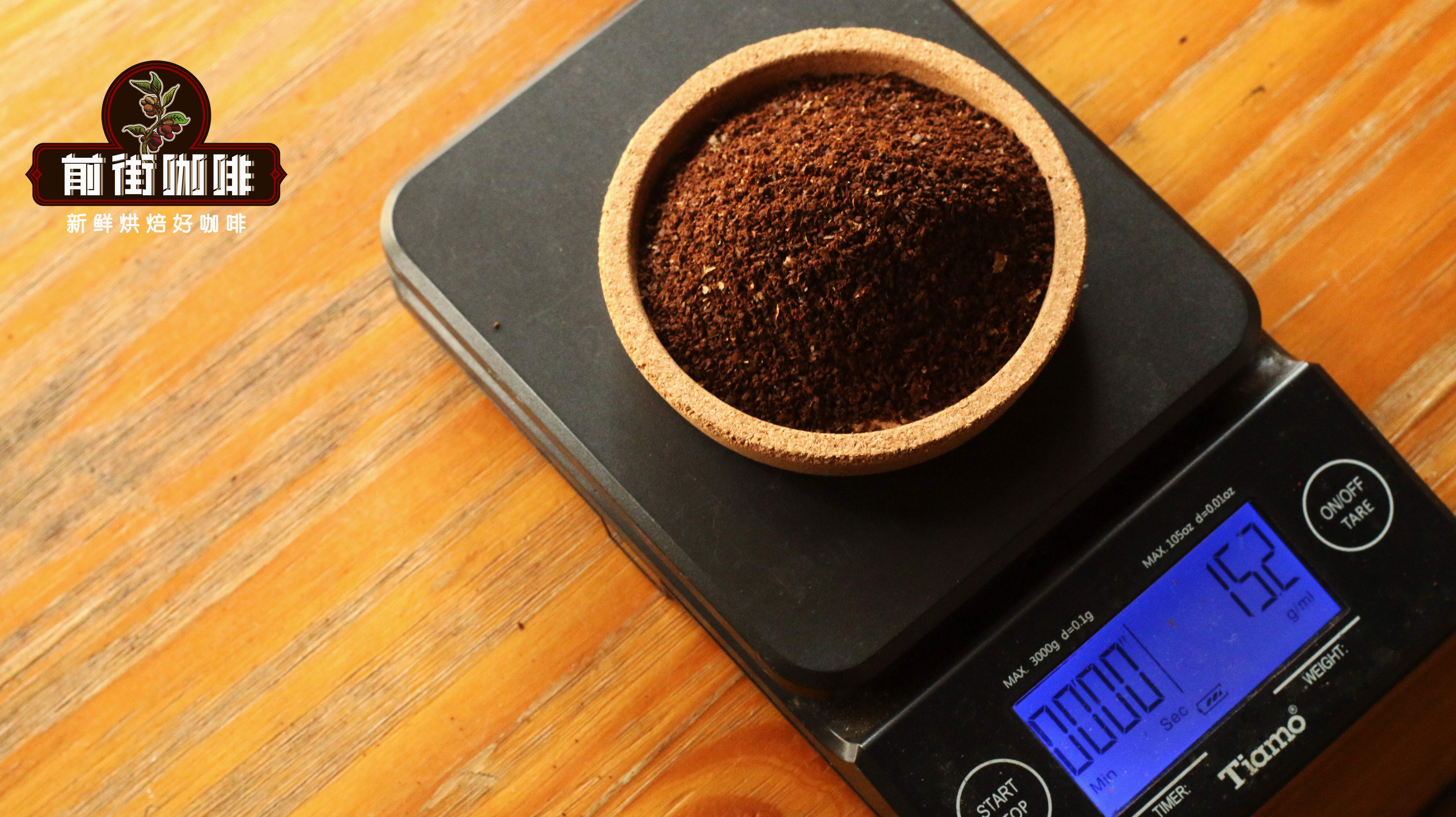
The first step in pour-over coffee often begins with grinding, and manual coffee grinders have become the choice of many enthusiasts due to their cost-effectiveness. But how should a manual grinder be used correctly? And to what degree should the coarseness be adjusted to be appropriate? In this article, Front Street Coffee will systematically explain the structural components, adjustment steps, and operating methods of a manual coffee grinder, and share how to use a 0.80mm standard sieve to determine whether the grind size for pour-over coffee is appropriate. At the same time, it will also sort out the grind coarseness patterns corresponding to different brewing methods, as well as the effects of key parameters such as the coffee-to-water ratio, water temperature, and extraction time on flavor. Finally, using Panama Diamond Mountain coffee beans as an example, it will fully demonstrate a three-pour pour-over process to help readers master the coordination between grinding and brewing in practice. [more…]

Complete Answers to Coffee Grinder Bean Jam and Washed Coffee Questions: Burr Disassembly Steps and Ek43 Cleaning and Maintenance Practical Guide
Once a grinder lacks regular maintenance, even the highest-end model will age faster. This article focuses on several practical problems most commonly encountered by coffee enthusiasts: how to safely handle a jammed grinder, whether a grinder can be rinsed directly with water, the correct way to remove the burrs, and, using the Ek43 as an example, the deep cleaning and daily maintenance process. The article also combines Front Street Coffee's equipment experience to offer actionable maintenance suggestions that help you extend your grinder's lifespan and keep output consistent. [more…]

Learn Pour-Over from Scratch: A Practical Guide for Beginners on Choosing Coffee Gear and Beans
Friends who are just getting into specialty coffee are often eager to replicate a delicious pour-over at home. But faced with the bewildering array of equipment and beans on the market, how can beginners on a limited budget spend as little as possible while still buying the most suitable gear? This article will analyze the key points for choosing coffee beans, a grinder, a pour-over kettle, a dripper and filters, and a digital scale, one by one in order of priority, and give specific product recommendations from the Front Street brand. The core idea is: save the bulk of your budget for the grinder, start with low-spec entry-level gear for everything else, and only consider upgrading after you have grasped the principles of extraction and found your flavor preferences. [more…]
A Beginner's Guide to Pour-Over Coffee Gear: Complete Setup Advice from Grinder and Kettle to Dripper
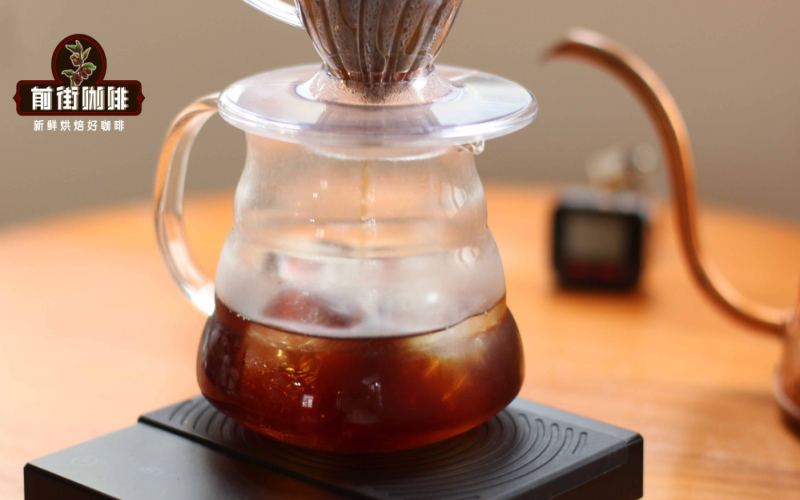
To brew a delicious pour-over coffee at home or in the office, the choice of equipment often determines success or failure before technique even comes into play. Faced with the bewildering array of drippers, gooseneck kettles, and grinders on the market, beginners can easily fall into choice paralysis. This article starts with selecting coffee beans, then works through grinder burr types, grind size calibration, gooseneck kettle capacity and temperature control, dripper and filter paper pairing, scales, and serving carafes, and offers Front Street Coffee's specific product recommendations for different budgets and taste preferences, helping those new to pour-over assemble a smooth-working setup at a reasonable cost. [more…]
A Guide to Adjusting the Grind Size on a Manual Coffee Grinder and a Detailed Explanation of Pour-Over Coffee Brewing Parameters
Want to make a delicious pour-over at home? Controlling the grind size is often the first hurdle. Compared to expensive electric grinders, manual hand grinders have become the top choice for many enthusiasts just starting out, but how to correctly adjust their grind size parameters is something many people aren't clear about. In this article, Front Street Coffee starts with the disassembly steps of a manual hand grinder, explains one by one the relationship between the rotation direction of the adjustment screw and the grinding effect, and provides the grinding standards corresponding to different brewing methods. At the same time, combining variables such as the coffee-to-water ratio, water temperature, and extraction time, we use Panama Diamond Mountain coffee beans for a complete brewing demonstration to help readers build a replicable brewing approach. [more…]
How to Determine Coffee Grind Size? Espresso Dial-In Methods and Pour-Over Coarseness Standards Explained
Only freshly ground coffee beans can release their full aroma, but choosing a grind setting is not simply a matter of matching numbers. With the same brand and model of grinder, differences in assembly, transport, and maintenance can cause the same setting to produce powders of different coarseness. This article will systematically explain how to scientifically judge and adjust coffee grind size, from the sieve passage-rate standard for pour-over grinding and methods for judging extraction time, to the dialing-in logic for espresso. Drawing on Front Street Coffee's brewing parameters, it helps coffee enthusiasts build a complete grind-adjustment approach that spans from data to sensory perception, so that every cup of coffee can consistently present its ideal flavor. [more…]

How to choose between a manual coffee grinder and an electric coffee grinder? A complete guide to buying considerations for beginners, from burr structure to budget needs.
As more and more people start brewing coffee at home, the grinder has become an indispensable piece of key equipment. Unlike a dripper or a pour-over kettle, which play only supporting roles, the quality of the grind directly influences how the flavor shows up in the cup. Yet when you open a shopping platform, grinder prices range from just over twenty yuan all the way to tens of thousands, and this huge price gap leaves many beginners unsure where to start. This article, drawing on Front Street's buying experience, will compare hand grinders and electric grinders in terms of burr structure, grind uniformity, portability, and price range, and offer specific recommendations for two scenarios—under a thousand yuan and with a generous budget—to help you find the one that truly suits you among the bewildering array of options. [more…]
A Complete Guide to Adjusting the Grind Setting on an Electric Espresso Grinder: Step-by-Step Breakdown and Practical Tips
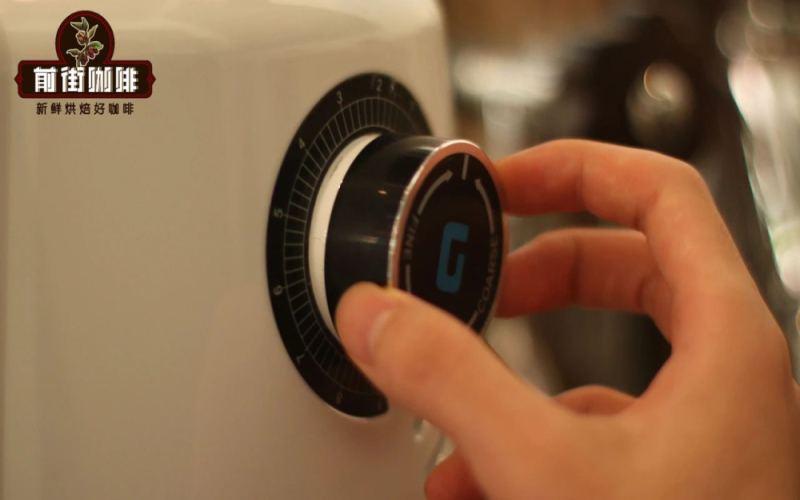
Why does a coffee shop need to adjust the grinder every day? How does grind size affect extraction? Starting from the principles of grinding, this article systematically explains how to adjust the settings on an electric espresso grinder, including how to judge the quality of the grounds, the specific operating steps, the relationship between the output and the grind setting on an electronic grinder, and practice suggestions for the water-to-coffee ratio. Whether you are a new barista or a seasoned enthusiast, you can find practical adjustment ideas here to make every shot of espresso consistently excellent. [more…]
How to Choose Between Manual and Electric Coffee Grinders? Buying Considerations and Practical Advice from Beginner to Advanced
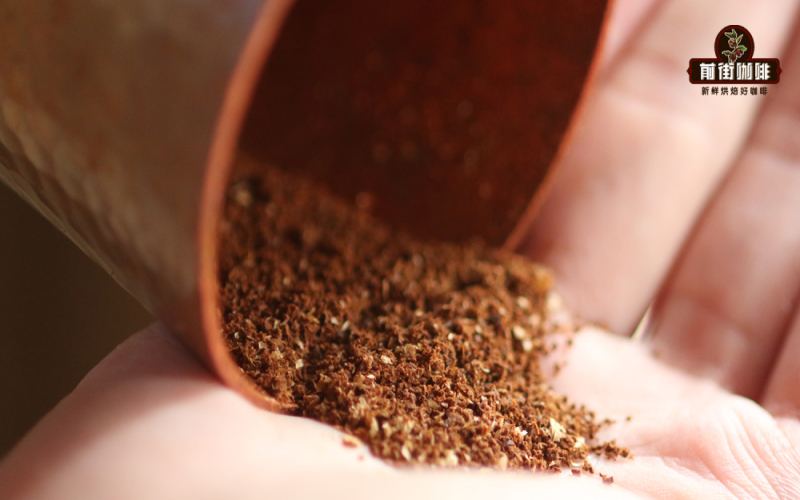
Once coffee grounds are ground and exposed to air, oxidation quietly begins, and flavor and aroma are lost along with it, so the ideal approach is to grind coffee beans only right before brewing. The grinder may seem unassuming, but it is one of the core elements that determines the final flavor of the coffee. Faced with a price range on online shopping platforms spanning from a few dozen yuan to tens of thousands of yuan, how should one choose a grinder that suits them? Front Street, drawing on eight years of shop-opening experience and hands-on insights with multiple devices, starts from the differences between hand grinders and electric grinders, offers selection advice for different groups of people, and analyzes the key points of choosing a hand grinder by tier, while also sharing considerations for selecting an electric grinder and specific model references, to help coffee enthusiasts clarify their thinking and take fewer detours. [more…]